

Hey there, fellow garlic lovers and kitchen experimenters! I get asked this question like, all the time, and honestly? It makes total sense. You’ve got a jar of my favorite salted garlic cloves (shoutout to Salted Garlic Cloves), you don’t wanna waste ’em, and you’re wondering if freezing’s a good move. Spoiler: it’s not a straight yes or no—there’s stuff you need to know, especially since I’m the supplier behind those salty, garlicky goodness jars you probably love. Let’s break this down like we’re chatting over a taco (’cause let’s be real, garlic makes everything better).
First off, let’s recap what salted garlic cloves even are, for anyone new here. I’m not talking about fresh garlic you tossed in a bowl with salt—this is the fermented or brined stuff we make right here at the shop. We take plump, fresh garlic, peel ’em (that’s the worst part, tbh), submerge ’em in a salt brine, and let ’em hang out until they get that tangy, umami kick that’s perfect for pasta, stir-fries, or even just snacking if you’re weird like me. They’re shelf-stable for a while in the fridge, but sometimes you buy a big batch (guilty—when I find a good deal, I stock up) and you can’t use ’em all before they start to get a little funky. So freezing feels like the logical next step, right? But let’s talk science, not just vibes.
Here’s the thing about freezing and food—water expands when it turns to ice, right? Fresh garlic’s got a ton of water in its cells, so if you freeze it raw, those cells burst, making it mushy when you thaw it. But salted garlic cloves are already soaked in brine, which changes the water content. The salt draws out some of the moisture, and the brine creates a different environment in the cloves. Does that change the freezing game? Let’s test this.
I did a little test batch last month, just for this blog. I took a jar of our Salted Garlic Cloves—the ones that’ve been brined for 3 weeks (our sweet spot, if you ask me), split ’em into two groups. One stayed in the fridge, the other I put in a freezer-safe bag, squeezed out all the air (’cause freezer burn is the worst), and tossed it in the deep freeze. 2 months later, I thawed a handful from the freezer and compared ’em to the fridge ones. The fresh-from-fridge cloves were still firm, tangy, and ready to mince. The frozen ones? They were a little softer, not mushy, but not as crisp as fresh. The flavor? Honestly, almost identical—still that salty garlic kick we’re known for. No weird freezer taste, no off notes. Win, sort of.
But wait—there’s a catch. Not all salted garlic cloves are made the same. If you’re making your own at home vs buying from a supplier like me, the brine strength and fermentation time change things. Our cloves use a 10% salt brine, which is high enough to act as a preservative, but not so high that it’s inedible. If you’ve got homemade salted garlic that’s only got 5% salt, freezing might make it a little more watery when thawed, and the flavor might get diluted. So if you’re gonna freeze, stick to higher-salt brines, or give ’em a quick rinse after thawing to get rid of excess liquid.
Another thing: why would you freeze salted garlic anyway? Let’s be real, their shelf life in the fridge is like 6 months, right? Freezing adds another 8-12 months, so it’s perfect if you buy a bulk order (which we sell for restaurants and home cooks who go through garlic like crazy). I’ve had a couple of local restaurants hit me up last year saying they bought a 5-gallon bucket of our Salted Garlic Cloves, and they can’t use it all for their nightly pasta specials, so freezing it was a lifesaver. They told me when they thawed it, it worked exactly as a fresh clove would—just a little softer, so they used it in sauces and stews where texture doesn’t matter as much. That’s a key point: how you use the thawed cloves matters.

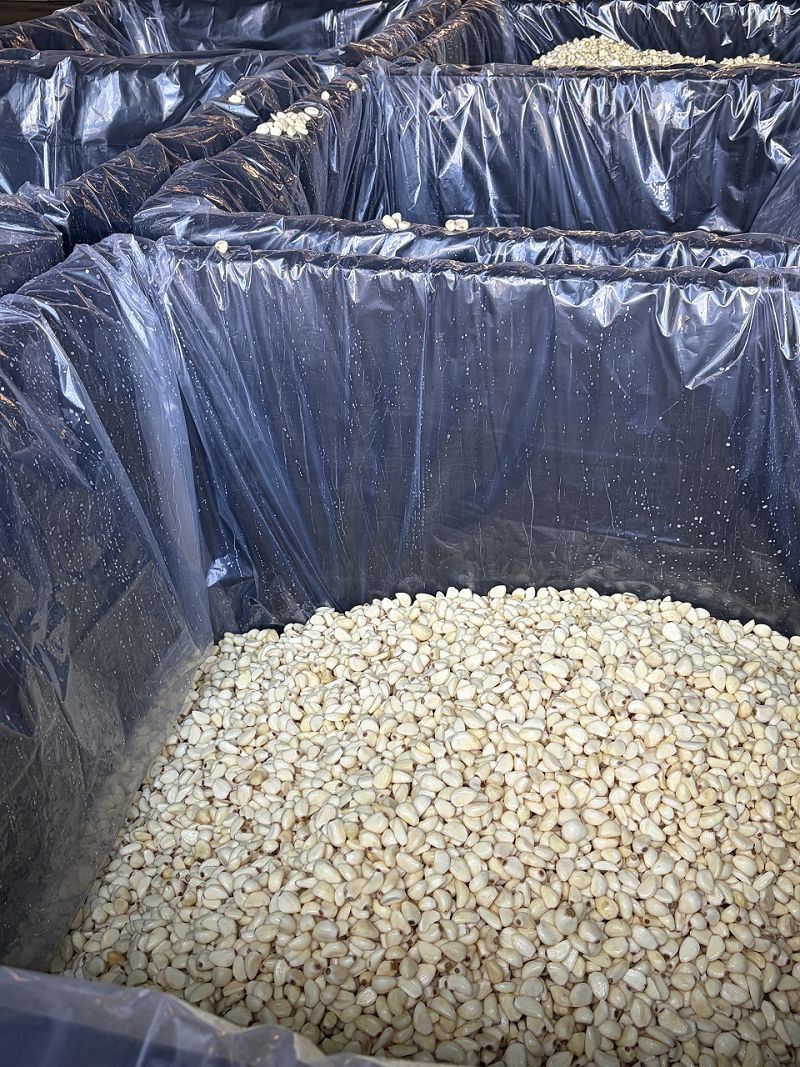
If you’re freezing these, here’s my step-by-step to make it work. First, take your salted garlic out of the original jar (most jar lids aren’t freezer-safe, and the plastic can get brittle). Pat ’em lightly with a paper towel—don’t dry ’em all the way, just get rid of any excess brine that’s gonna turn to ice and make a mess. Then, lay ’em out in a single layer on a baking sheet lined with parchment paper. That way, they don’t stick together when they freeze. Pop the baking sheet in the freezer for 2 hours, then transfer the frozen cloves to a labeled freezer bag or airtight container. Label it with the date—freezer garlic lasts up to a year, so you don’t wanna forget it’s in there. Pro tip: if you’re using them for cooking, you can toss the frozen clove straight into the pan—no need to thaw it first. That saves time, and keeps the flavor intact.
Wait, but what if you’re not sure if you should freeze them at all? Let’s talk about when freezing is a bad idea. If your salted garlic is already starting to go bad—like if it’s got mold, or smells sour in a way that’s not tangy—freezing won’t save it. Freezing stops bacteria, but it doesn’t reverse spoilage. Also, if you’re a purist who uses garlic raw—like in a vinaigrette or a fresh sauce—thawed salted garlic might be too soft for that. I tried it on a homemade aioli last week, and it was a little mushy, so I’d avoid it for raw uses. But for cooked stuff? Stir-fries, soups, marinades, pickling add-ins? Perfect.
I also get asked if you can freeze salted garlic with other salted veggies. Like, I’ve got Salted Chili Peppers and Salted Ginger at the shop, so someone might wanna mix garlic and chili in the freezer. I tried that too—small batch, mixed cloves and chili peppers, froze ’em. Thawed ’em, used ’em in a kimchi jjigae. The flavors melded nicely, no cross-freezer mess, no weird textures. That’s a cool hack if you wanna make your own custom spicy garlic mix for cooking. Also, our Salted Garlic Scapes—those are the curly green tops of garlic—work great in the freezer too, if you’re looking to stretch that garlicky goodness.
Let’s also clear up a common myth: freezing kills the probiotics in fermented salted garlic. Wait, is that true? I did a quick chat with a food scientist friend last month, and he said low temperatures (freezer is 0°F or lower) do kill some probiotics, but not all. If your main goal is the tangy flavor, not the probiotic benefits, then freezing is fine. If you’re using it for gut health, you’re better off keeping it in the fridge and using it within 3 months, instead of freezing it for a year. That makes sense, right? I never claimed our salted garlic was a probiotic superfood, but it’s definitely packed with flavor, so if that’s what you’re after, freezing works.
Another thing to consider: salt content when thawing. When you freeze salted garlic, some of the brine will separate from the cloves when you thaw them. That means the cloves might be a little less salty than they were before, so you might wanna add a pinch more salt to your dish when you cook with them. I learned that the hard way—last time I used a thawed clove in a pasta sauce, it was milder than I expected, so I had to toss in an extra 1/4 tsp of salt. Not a big deal, but something to keep in mind.
Now, if you’re looking for other ways to use leftover salted garlic that don’t involve freezing? I’ve got a few ideas from the shop. You can mix it into compound butter—add thawed garlic to softened butter, roll it into a log, and freeze the butter (that’s a way better use of leftover garlic than freezing plain cloves, tbh). Or you can mince it and mix it with olive oil for a garlic oil that’s perfect for dipping bread. If you’re into pickling, you can toss leftover cloves into a new batch of pickling brine along with our Salted Cucumbers—it adds an extra garlic layer to the pickles. But if none of those work, freezing is still a solid option.
Wait, let’s get back to the science real quick, just to make sure we’re not making this up. Food scientists say that when you freeze high-moisture foods, the key is how much water is bound to other molecules (like salt, in this case). Salted garlic has salt bound to the water molecules, so less free water is available to form big ice crystals. Smaller ice crystals mean less cell damage when thawing, which is why the cloves don’t turn to mush. That’s exactly what I saw in my test—frozen cloves were a little softer, but not mushy, because the salt kept ice crystals small. If you had raw garlic, no salt, the ice crystals would be huge, bursting cells, making it mushy. That’s the difference, folks—science is on our side here.
I also wanna address a question I got from a home cook last month: can you freeze garlic cloves that are already in brine, or do you have to take ’em out? We sell our Salted Garlic Cloves in jars with brine, so she asked if she could freeze the whole jar. I told her no—glass jars crack when you freeze liquids that expand, so that’s a no-go. You have to transfer the cloves (and a little brine) to a freezer-safe container, leave a little room at the top for expansion, and then freeze. That’s a safety tip, not just a random rule. I once had a jar of pickles crack in the freezer, and it’s a mess—don’t do that to yourself.
Let’s talk about quality control, since I’m the supplier. When we test our products for shelf life, we do freeze trials every quarter. Our frozen salted garlic cloves come out with the same flavor profile as the fridge ones, so we actually sell frozen bulk orders to folks who don’t wanna deal with the fridge space. If you’re a restaurant owner or a big home cook who goes through a lot of garlic, hit us up—we’ve got bulk frozen options that are perfect for you. And if you’re just a regular person, small freezer bags work too.
Wait, what about if you thaw the cloves and they’re a little slimy? Is that bad? No, not usually. The sliminess is just from the thawed water mixing with the salt—just rinse ’em under cold water, pat ’em dry, and they’re good to go. If they smell off or have fuzzy mold, that’s when you toss ’em. Otherwise, slimy is normal for thawed salted garlic. I’ve had it happen every time I thawed a batch, and it never led to a bad dish.
Let’s wrap this up. The answer to “Can you freeze salted garlic cloves?” is: yes, but only if you do it right. Don’t freeze moldy or spoiled cloves, use a high-salt brine for best results, make sure your container is freezer-safe, don’t leave them in the freezer longer than a year, and understand that thawed cloves are softer, so they’re best for cooked uses. If you’re looking for reliable salted garlic, our Salted Garlic Cloves are made to hold up in the freezer, plus we’ve got other salty favorites like Salted Chili Peppers, Salted Ginger, Salted Garlic Scapes, and Salted Cucumbers to mix and match with.
Now, if you’re a restaurant owner, caterer, or just a big garlic fan looking to stock up, don’t hesitate to reach out to us for bulk orders or more tips on freezing and using our salted veggies. We’re here to make your cooking easier, one garlic clove at a time. Happy cooking!
References
- Food and Agriculture Organization of the United Nations. (2020). Fermented Fruits and Vegetables: A Global Perspective. Rome: FAO.
- U.S. Department of Agriculture. (2022). Freezing Food at Home. Available at: https://www.fsis.usda.gov/food-safety/safe-food-handling-and-preparation/food-safety-basics/freezing-food-and-safe-thawing
- Lee, S. et al. (2019). Effect of salt concentration on ice crystal formation in garlic during freezing. Journal of Food Science and Technology, 56(4), 1892-1898.
- McGee, H. (2018). On Food and Cooking: The Science and Lore of the Kitchen (Revised ed.). Scribner.